Compare Local Contractors for Patio Sealing Services
Compare local contractors for patio sealing to verify experience, define project scope, and set clear expectations for a successful, well-managed job.
Patio sealing services typically involve applying protective coatings to outdoor surfaces like concrete, stone, or pavers to help prevent damage from moisture, stains, and wear. This work often includes cleaning the surface thoroughly to remove dirt, algae, or old sealant, followed by the application of a sealing product designed to enhance durability and appearance. Proper sealing can extend the lifespan of a patio, maintain its aesthetic appeal, and reduce the need for future repairs. When planning this type of work, property owners should clearly define the scope-such as the size of the area, the type of surface, and any specific concerns-to ensure the project meets their needs effectively.
Understanding the scope of patio sealing projects is crucial because it influences the choice of materials, preparation steps, and the level of expertise required. A detailed scope helps property owners communicate expectations to potential contractors and ensures everyone is aligned before work begins. For example, some projects may require surface repairs or specific sealing products, while others might focus solely on surface application. Clarifying these details in writing can help prevent misunderstandings, facilitate accurate comparisons among local service providers, and ensure that the selected contractor is equipped to handle the specific requirements of the job.
When comparing local contractors for patio sealing, property owners should consider their experience with similar projects and ask for details about their process. It’s helpful to verify how each contractor plans to prepare the surface, the types of sealants they use, and their approach to ensuring a quality finish. Reviewing their reputation through references or reviews can provide insight into their reliability and workmanship. Additionally, requesting written descriptions of the scope of work, including the steps involved and materials used, can make it easier to compare proposals and select a contractor who aligns with the project’s needs and expectations.
Compare local contractors by outlining project priorities, verifying experience, and establishing clear scope and expectations in writing.
- Verify Experience and Credentials - Ensure contractors have relevant experience in patio sealing to meet project requirements.
- Define Scope Clearly - Specify the sealing process, materials, and surface areas to set accurate expectations.
- Compare Multiple Service Providers - Review qualifications and service offerings to identify the best match for the project.
- Document Details in Writing - Confirm scope, materials, and responsibilities in a written agreement before work begins.
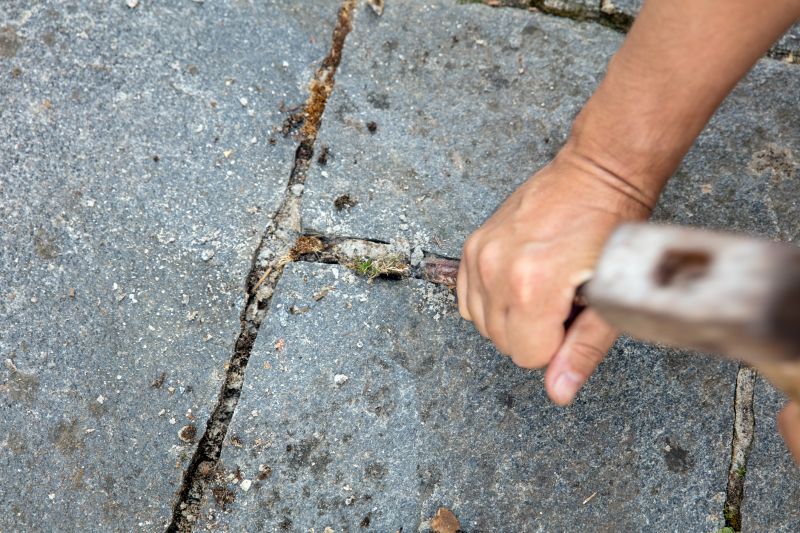
Clearly describe your patio sealing project to help compare local contractors, verify experience, and set expectations in writing.
- Verify experience and references for contractors specializing in patio sealing projects. - Ensure service providers have a proven track record with similar sealing jobs to gauge their expertise.
- Define the scope of work clearly in writing to avoid misunderstandings about materials and surface preparation. - A detailed scope helps compare different contractors and sets clear expectations.
- Check that contractors use appropriate sealing products suitable for the patio material and intended use. - Different surfaces require specific sealers to ensure durability and proper protection.
- Request a written estimate that outlines the scope, materials, and any preparation or surface cleaning involved. - Written estimates facilitate comparison and help prevent unexpected costs or scope changes.
- Discuss the drying, curing, and maintenance requirements to ensure the sealing process meets project expectations. - Clear communication about post-application care helps maintain sealing effectiveness over time.
- Confirm that contractors follow proper surface preparation procedures to ensure optimal sealing adhesion and longevity. - Proper prep work is essential for a durable and effective sealing job.
Compare local contractors' experience and clarify scope to ensure your patio sealing project meets expectations.
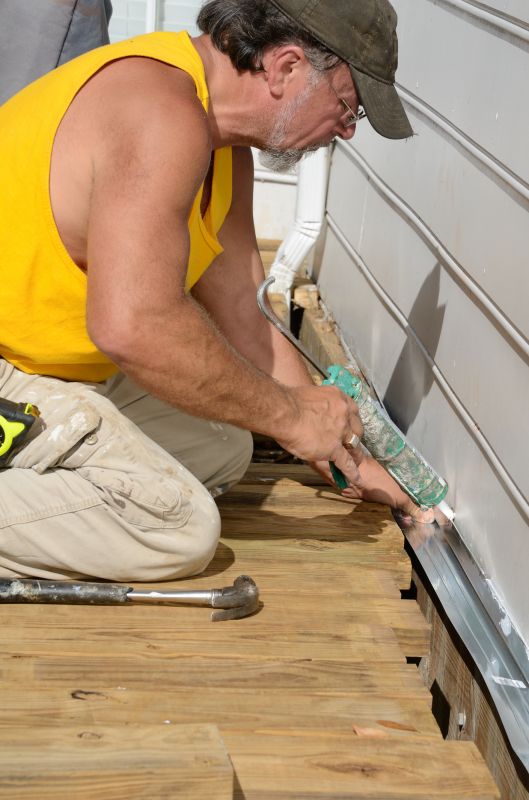
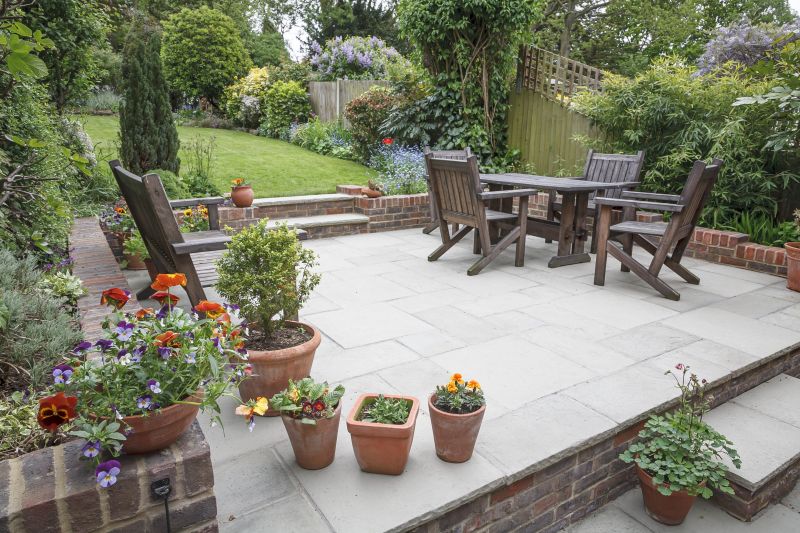
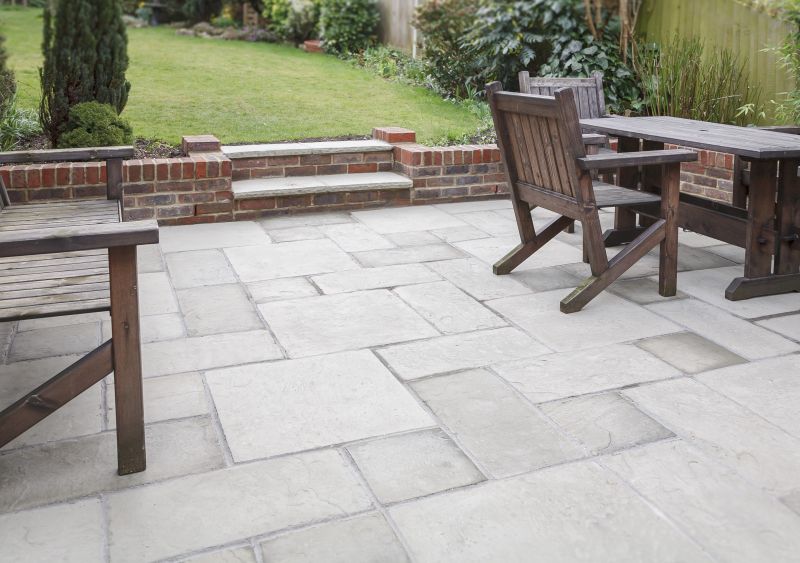
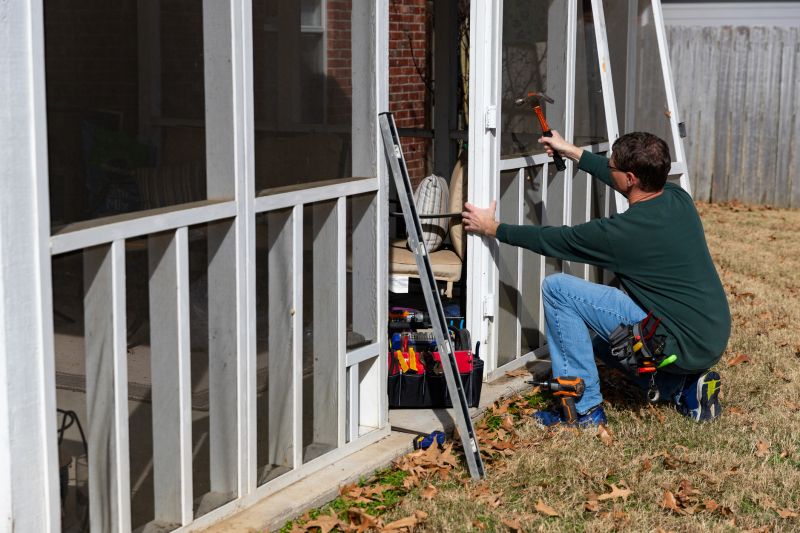
Use consistent scope definitions and experience verification to accurately compare local contractors for patio sealing.
- Define scope of work - specify the areas of the patio to be sealed and any surface preparations required.
- Verify experience - confirm that local contractors have relevant experience with patio sealing projects.
- Establish materials and products - determine the type of sealant and application methods to be used.
- Set expectations in writing - ensure all project details, including scope and materials, are documented clearly.
- Compare local service providers - evaluate credentials, reviews, and service offerings to select suitable contractors.
When comparing contractors for patio sealing, it is important to consider their experience with similar projects. Service providers with a proven track record of sealing patios comparable in size, material, or style can offer insights into their familiarity with the specific requirements of your space. Asking about past work or requesting references related to patio sealing jobs can help gauge their expertise and ensure they have handled projects similar to yours successfully.
A clear, written scope of work is essential when evaluating contractors. This document should outline the specific services included, such as surface preparation, sealing materials used, and the number of coats applied. Having a detailed scope helps prevent misunderstandings and sets clear expectations for what the project will entail. It is advisable to review and compare these written descriptions to ensure consistency and completeness before moving forward with any service provider.
Verification basics are key to assessing the reliability of local contractors. Confirm that the service providers have appropriate experience handling sealing projects and ask for examples of their previous work. Verifying their reputation through references or reviews can provide insight into their professionalism and quality of service. Additionally, understanding their process for project completion and any guarantees or warranties offered can contribute to making an informed decision.
Evaluating options without focusing on prices involves examining the quality and scope of services, the experience of the contractors, and the clarity of their proposals. Consider how well each service provider communicates their approach and whether their scope aligns with your expectations. Comparing the details of each proposal allows for a thorough assessment of the value and suitability of the contractors, helping to choose the best fit for your patio sealing needs.
Ask contractors to provide written scope details to ensure clarity and consistency throughout the patio sealing project.
- Experience and Expertise - What specific experience do local contractors have with patio sealing projects?
- Scope of Work - How do service providers define and clarify the scope of sealing services included?
- Materials and Techniques - What sealing products and application methods do local contractors typically use?
- Warranty and Guarantees - Do contractors provide written warranties or guarantees for their sealing work?
- Communication and Expectations - How do local service providers ensure clear communication about project scope and deliverables?
What should I consider when choosing a contractor for patio sealing? It's important to compare local contractors based on their experience, reputation, and the scope of services they offer. Ensuring clear communication about project expectations can help in selecting a suitable service provider.
How can I verify a contractor's experience with patio sealing? You can review their previous work, ask for references, or check online reviews to assess their familiarity and expertise with patio sealing projects in your area.
What questions should I ask a contractor before hiring for patio sealing? Inquire about their process, materials used, and whether they can provide a detailed scope of work in writing to ensure mutual understanding of the project.
Why is it important to define the scope of work in writing? Having a written scope helps set clear expectations, prevents misunderstandings, and provides a reference for the project's agreed-upon services and responsibilities.
How can I compare different contractors effectively? Focus on their experience, scope of services, previous work, and how well they communicate. Gathering multiple proposals can help identify the best fit for your needs.
What role does communication play in selecting a patio sealing contractor? Clear and detailed communication ensures that both parties understand the project scope, expectations, and responsibilities, leading to a smoother process and satisfactory results.
This page has highlighted the importance of understanding the scope of patio sealing projects, verifying the experience of local contractors, and establishing clear expectations in writing. By comparing different service providers, visitors can find options that align with their specific needs and preferences. Utilizing the quote form allows for a straightforward way to gather information and evaluate local contractors without the need for commitments or assumptions.
Encouraging visitors to use the quote form provides an effective way to explore available local options for patio sealing. It offers a simple method to compare service providers, review their offerings, and make informed decisions based on their unique project requirements. Taking this step helps ensure that the selection process is transparent and tailored to individual expectations.